

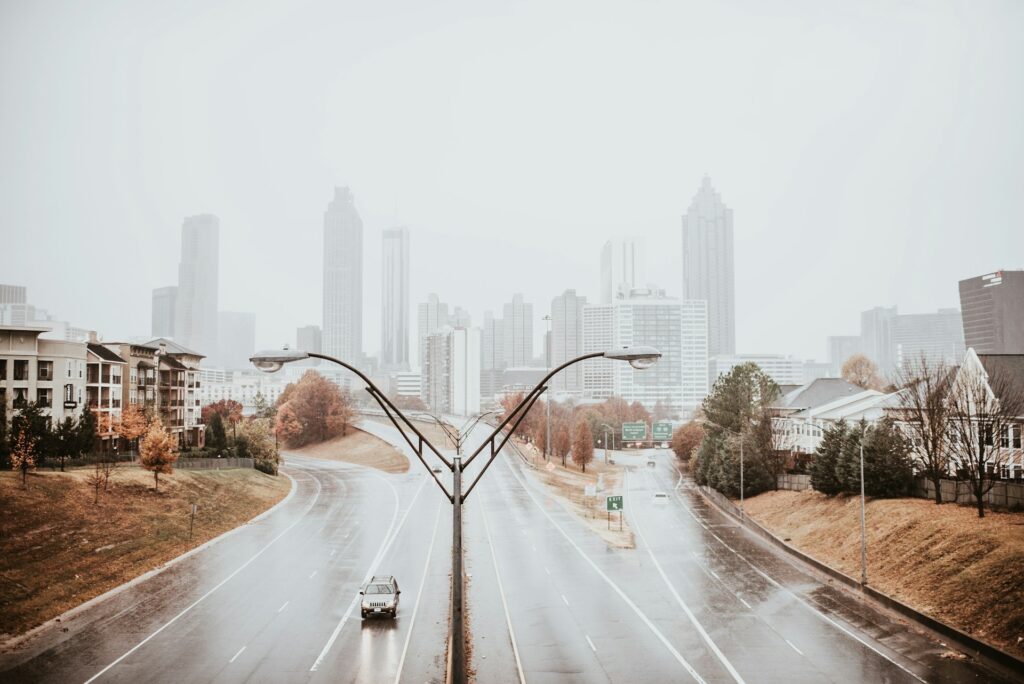
In the South, winter weather is unpredictable. Some years, it barely makes an appearance. Other years, it catches everyone completely off guard.
No matter which weather models you follow, January and February are always a risk, especially in the Metro Atlanta area. While northern states plan for heavy snowfall, winter storms in Georgia bring a different set of challenges. When cold weather hits here, the biggest problems usually aren’t snowdrifts, they’re icy roads, burst water pipes, and power outages caused by downed trees and power lines.
The biggest mistake most people make? Waiting until the forecast turns serious.
By then, grocery shelves are empty, hardware stores are sold out, and options are limited. A little preparation ahead of time can make a big difference, not just in comfort, but in safety.
Winter preparation isn’t about panic. It’s about removing friction when things get busy and stressful.
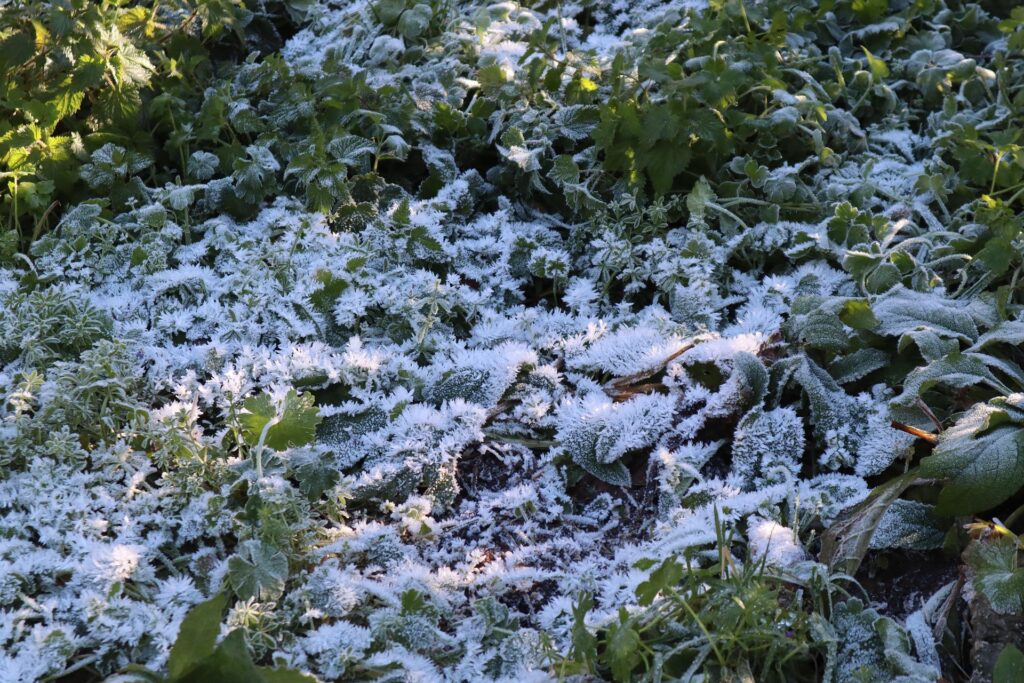
Why Winter Preparation Matters in Metro Atlanta
Winter storms in North Georgia behave differently than storms in colder climates. Understanding those differences is key to staying safe.
- Ice, not snow, creates the most dangerous driving conditions
Even a thin layer of ice can turn roads into skating rinks. - Bridges, overpasses, and elevated roads freeze first
These surfaces cool faster than ground-level roads and often remain icy long after temperatures rise. - Trees + ice + wind frequently lead to power outages
Atlanta’s tree canopy is beautiful, but heavy ice can bring down limbs and power lines quickly. - Supplies disappear fast once winter warnings are issued
Bottled water, bread, batteries, and ice melt often sell out within hours.
Preparation isn’t about assuming the worst, it’s about being ready for common, predictable problems.
Simple Things You Can Do Now to Prepare for Winter Weather
1. Prepare for Power Outages
Power loss is one of the most common winter impacts in the Atlanta metro area. Ice accumulation on trees and power lines often causes outages that can last hours, or days. Make sure you have:
- Flashlights with fresh batteries
- Portable phone chargers or battery banks
- Candles and lighters (used safely and never unattended)
- Extra blankets and cold-weather clothing
Most importantly, know where these items are, not just that you own them. Searching for flashlights in the dark is no one’s idea of fun.
If you rely on medical devices, home offices, or internet access, consider a backup plan now. That might include battery backups, alternate work arrangements, or identifying a safe place to go if power is out for an extended period.
2. Think Ahead About Driving and Walking Surfaces
In Georgia, ice is far more dangerous than snow, and we don’t have the infrastructure to treat roads as quickly as northern states. Before winter weather hits:
- Keep your vehicle’s fuel tank at least half full
- Check tire tread and windshield wipers
- Use windshield washer fluid rated for freezing temperatures
- Store an emergency kit in your vehicle
A basic winter car emergency kit should include:
- Gloves and a warm blanket
- Flashlight
- Bottled water
- First aid kit
- Phone charger
- Ice scraper
- Reflective gear
Footwear matters too. Many people drive in comfortable shoes that offer little traction. All-weather footwear can make a big difference if you’re stranded or need to walk on icy surfaces. For your home:
- Keep ice melt or sand on hand for driveways, sidewalks, and steps
- Focus especially on shaded or elevated areas that freeze first
Pro tip: If stores sell out of ice melt, pool salt works well in a pinch.
And remember, if roads ice over, the safest decision is often not driving at all.
3. Stock Basic Supplies Early
Once winter weather is announced, shelves empty fast. You don’t need to overbuy or panic shop, just plan ahead. Focus on essentials:
- Bottled water
- Non-perishable food
- Pet food and pet supplies
- Prescription medications (don’t wait until the last refill day)
Having a small buffer at home helps you avoid last-minute trips when conditions are unsafe and stores are crowded.
4. Protect Your Home Before Temperatures Drop
A few preventative steps can save you from major damage and costly repairs. Before freezing temperatures arrive:
- Know how to shut off your main water valve
- Insulate exposed pipes in garages, crawl spaces, and exterior walls
- Disconnect and drain outdoor hoses
- Set thermostats to maintain safe indoor temperatures
When temperatures fall below freezing:
- Keep a slight, steady drip on faucets to prevent pipes from freezing
- Open cabinet doors under sinks to allow warm air to circulate
- Clear walkways early and apply ice melt to reduce slip hazards
Frozen pipes often cause far more damage than the storm itself. Taking action early can prevent flooding, mold, and expensive repairs.
5. Make a Simple Family or Household Plan
You don’t need a complicated emergency plan, just a clear one. Everyone in the household should know:
- Where flashlights and emergency supplies are stored
- How to communicate if power or cell service is disrupted
- Who to check on (elderly neighbors, nearby family, or friends)
A short conversation now can prevent confusion and stress later.

Prepared Beats Panicked
Winter weather in the South isn’t about extremes, it’s about timing and readiness. Preparing early means:
- No fighting crowds
- No empty shelves
- No rushed decisions
Whether winter weather shows up this year or not, being ready costs very little. Scrambling at the last minute almost always costs more, financially and emotionally.
Better to have it and not need it than need it and not have it.